The Biology of Discipline and the Myth of Willpower
Habit Formation and Goal Setting
The Biology of Discipline and the Myth of Willpower
It is mid-January, and many people are still holding onto the goals they set for the year. Yet habit formation is not a matter of wanting something badly enough, nor is it a moral test of character.
The widespread belief that a lack of discipline reflects personal weakness is misleading.
What very few people realize is that discipline goes against how the human brain is designed to function, and this is a neurobiological fact. The human brain did not evolve to prioritize long-term goals, abstract ambitions, or even self-control. It evolved primarily for immediate survival. Over thousands of years, we adapted to optimize energy, obtain fast rewards, and avoid unnecessary effort.
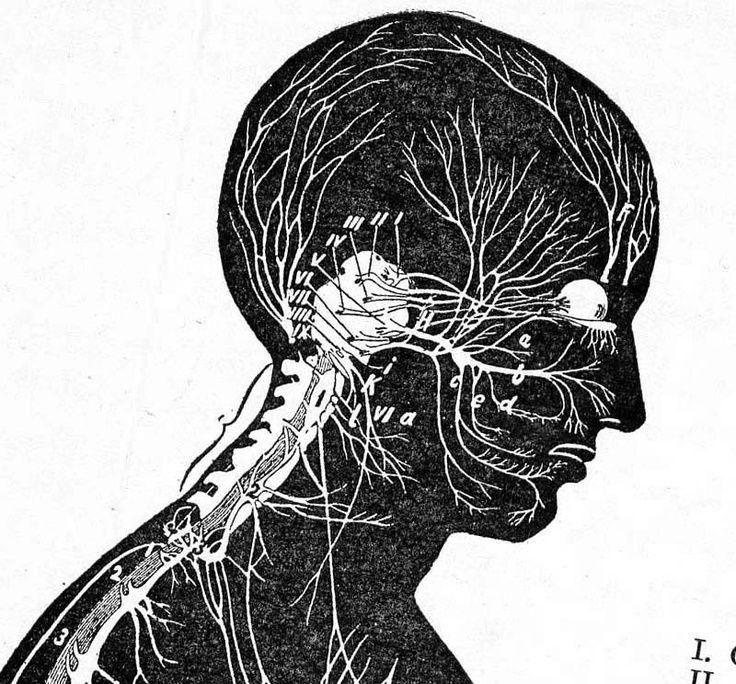
Basically, your brain does not want to wake up and run or head to the gym. It would rather stay on the couch, which is an effective way to conserve energy. The brain does not want you to write, study, or enter a flow state while working. It wants you to open social media and get that dopamine hit.
Consistency is considered a virtue yet the most consistent people are not stronger or more motivated. They simply learned the correct programming.
They have built systems and environments where the right behavior is easy, automatic, and inevitable. They do not conflict with the brain, mood, willpower, or emotions. They work with them. If you have ever felt guilty for procrastinating or judged yourself for failing to stick to your plans, understand this: you were never broken. You were using the wrong strategy.
Discipline appears simple in theory. We want something badly enough, stay focused, and believe we can resist temptation. But when we look at how the brain actually works, this view collapses. The human brain is primarily a survival organ that prioritizes safety, comfort, and energy optimization to manage its massive energy demands. It often favors familiar routines and shortcuts over high-energy, novel, or risky decisions.
For most of human history, survival depended on immediate choices. Eating now mattered more than saving for later. Resting mattered more than pushing limits. Avoiding effort preserved energy for danger. That logic is still running in our brains today.
The real problem is not willpower. It is a design conflict. Your brain wants comfort now. You want growth later. Until these two are aligned, frustration is inevitable. If we rely solely on willpower, we are fighting our own biology.
So when it comes to behavioral change, the first step should be this: not trying harder, but understanding what you are dealing with. With this in mind, a new question emerges.
What if the issue is not you but the environment around you?
The environments we surround ourselves with are the real architects of our behavior. Self-control is not an internal moral strength. In reality, it is more fragile than we imagine and is easily compromised when the environment is poorly designed.
Consider a simple example. You want to run. You wake up motivated, but your sneakers are hidden and you cannot find your running clothes. The couch is nearby and your phone is already in your hand. At that moment, the choice is no longer about discipline. There is friction; the brain chooses what is easiest. This is where choice architecture comes in. Human behavior follows what is visible, accessible, and convenient, not what is noble. Small environmental changes can reshape behavior without motivation or force.
If water is closer than soda, people drink more water.
If the phone is in another room, concentration deepens.
If walking paths are nearby, people walk more.
If the gym bag is packed the night before, workouts happen.
If water is carried, hydration stays high.
If nature is accessible, stress decreases.
Discipline is too often framed as a test of will, when in reality it is a matter of situation and structure. Human behavior, as neuroscience repeatedly shows, follows paths of least resistance, guided by existing habit loops and shaped by the environments we inhabit.
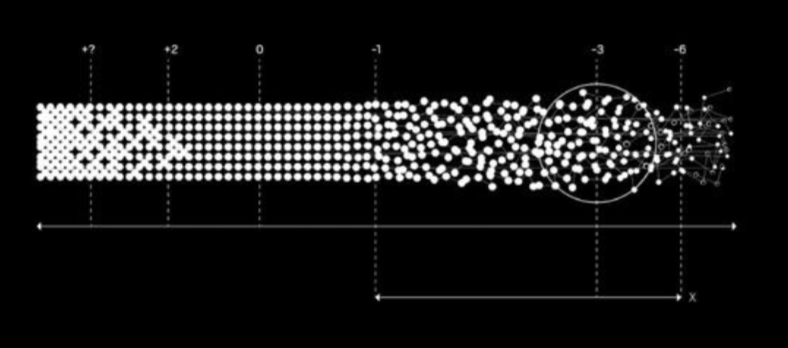
From this perspective, preparation is not a weakness but a form of lucidity. When we arrange our surroundings so that meaningful actions require less effort than their alternatives, behavior becomes almost automatic.
Attaching new intentions to habits that already exist allows action to precede hesitation, and small repeated gestures quietly accumulate into lasting change.
This is where the four laws of behavior change matter.
1) Make it obvious: Design your environment in a way that good habits are easy to follow and bad habits are invisible.
Example: You eat a lot of sugary sweets. Don’t buy those and replace them by dates.
2) Make it attractive: Pair habits you want with something you enjoy to make it appealing.
Example: write your gratitude journal while drinking your coffee in the morning, and listen to your favorite podcast while exercising.
3) Make it easy: Reduce the friction for those good habits to happen.
Example: instead of running 5 miles, start with putting on running shoes.
4) Make it satisfying: Make sure you reward yourself for achieving and completing a good habit.
Example: After a workout, head to the sauna.
When these four conditions are met, behavior flows naturally.
Highly consistent people do not feel motivated every day. They build structures, systems, and enviroments that function even on bad days. They decide in advance. They remove friction. They make the right action the default.
As James Clear says,
You do not rise to the level of your goals. You fall to the level of your systems.
Your future is shaped by what you do automatically, not by what you intend. Beneath systems lies something deeper: IDENTITY.
Lasting change happens when behavior aligns with who you believe you are and who you want to become. Every small action is a vote for the person you are becoming. Each time you act, even briefly, you reinforce that identity. Discipline is not the goal. It is the side effect of aligned systems, environment, and identity.
The easiest way to stick to the version you want to become begins with not blaming yourself for biology. Design the systems and let them carry you to the version that you desire to become.
By: Ilhui Hernandez
REFERENCES
Clear, J., & Clear, J. (2018). Atomic habits: Tiny changes, remarkable results. Penguin Publishing Group.
Peters, G. J. Y. (2014). A practical guide to effective behavior change: how to identify what to change in the first place. European Health Psychologist, 16(5), 142-155.